EV
Rivian R1S 2026 Review with Best Car Insurance Deals & Low Auto Loan Rates
This guide covers the 2025 Rivian R1S in the USA, including real-world ownership costs, maintenance expectations, charging expenses, and insurance pricing. Readers also get practical ways to lower monthly costs through smarter insurance shopping, EV-friendly financing, and ownership planning.
gameIcon

Real Ownership Cost Breakdown

Yearly Cost
$12,400–$15,200
Insurance
$2,700–$3,900/yr
Charging Cost
$850–$1,450/yr
Maintenance
$450–$900/yr
VS Tesla Model X: Usually lower charging cost, but similar insurance spend
VS Kia EV9: Higher purchase and insurance costs in most U.S. markets

Maintenance Guide (What You'll Pay)

Maintenance Timeline

Interval
Service
Typical Cost
Every 7,500–10,000 miles
Tire rotation, inspection, software check
$60–$140
Every 20,000–25,000 miles
Cabin air filter, brake inspection, alignment check
$120–$300
Every 40,000–50,000 miles
Coolant/brake fluid review, tires, suspension inspection
$250–$700

The Rivian R1S avoids oil changes and many traditional SUV service items, but large tires, weight, and advanced electronics can still make ownership more expensive than mainstream EVs.

Common Problems (Real User Concerns)

Concern
What Owners Report
Cost Impact
Tire wear
Heavy curb weight can shorten tire life
$1,200+ for a full set
Body/trim repairs
Premium parts and limited repair networks
Can raise claim and insurance costs
Software or hardware visits
Most fixes are minor, but service wait times vary
Usually low direct cost under warranty

Most owner concerns center on tire replacement, repair complexity, and premium collision-part pricing rather than routine engine-related maintenance.

Rivian R1S Insurance Cost (HIGH CPC)

Insurance typically costs $225–$325/month

Younger drivers may pay up to $420–$560/month

Experienced drivers may get rates near $180–$230/month

Why is insurance higher?
High vehicle value and expensive battery-related repair considerations push premiums up.
Large size, strong performance, and premium trim levels raise collision and liability exposure.
Repair networks and parts availability can be more limited than for mass-market SUVs.
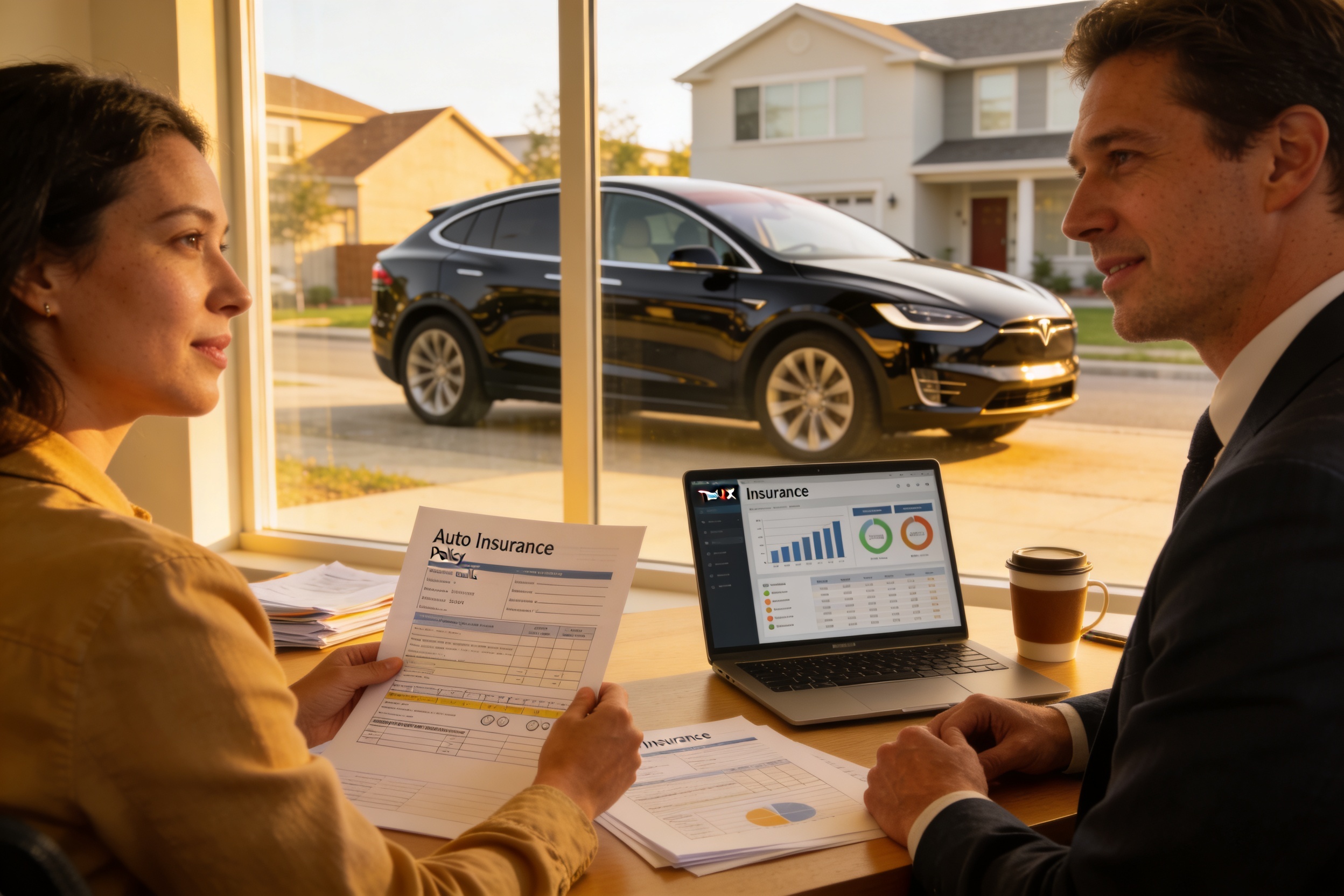
EV insurance quote review

How to save money

Compare at least three insurers, including EV-friendly carriers that understand Rivian repair profiles.
Ask lenders for EV loan promotions, rate buy-downs, and credit-union offers before signing dealer financing.
Install home charging and use off-peak utility rates to lower annual electricity costs.
Choose a deductible you can comfortably afford, since premium EVs often benefit from deductible optimization.
Bundle home and auto coverage if available; this can materially reduce Rivian insurance costs.
Keep tires properly inflated and aligned to avoid premature replacement on this heavy three-row EV.
If monthly budget matters most, compare total loan payment plus insurance together, not financing alone.
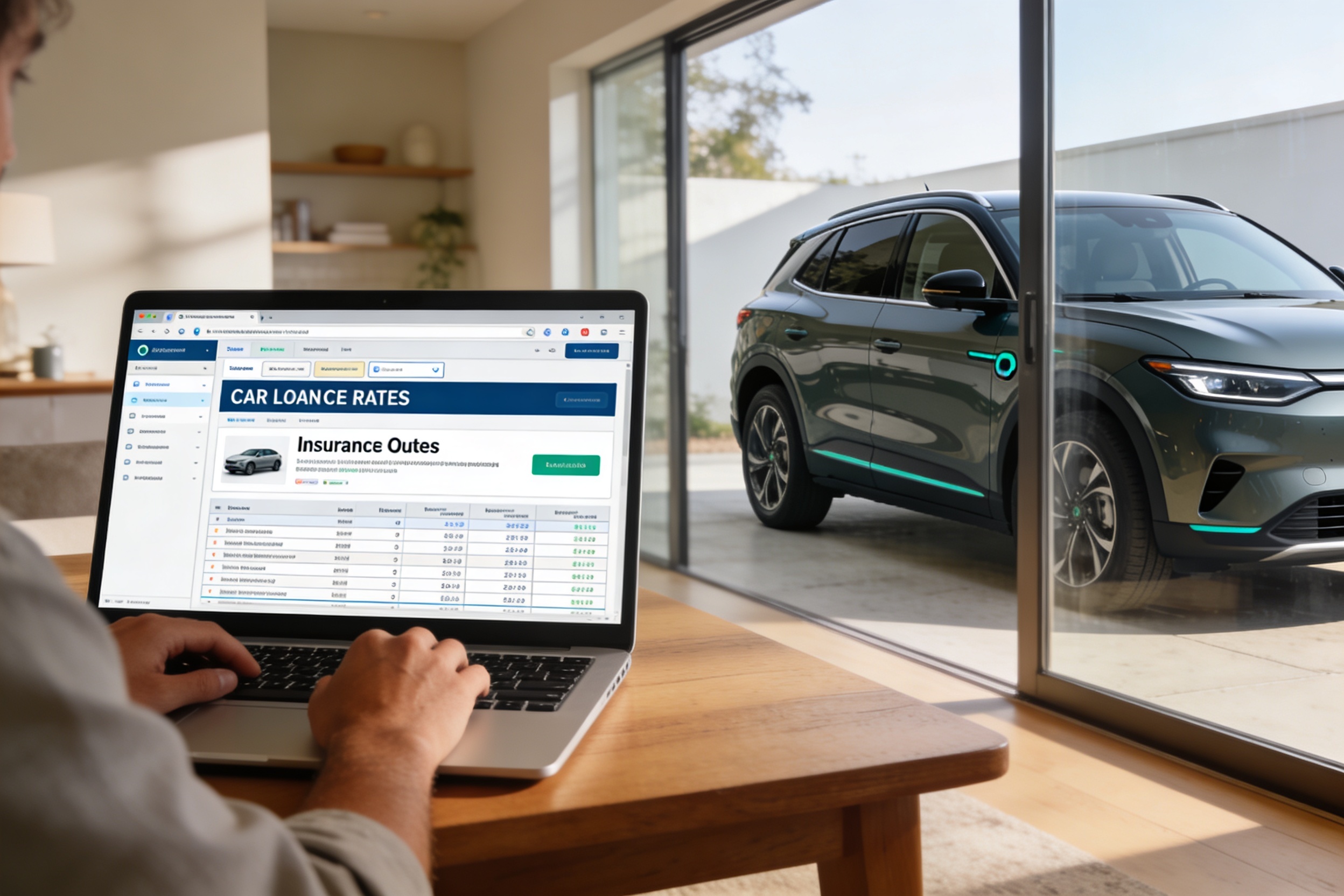
Comparing EV loan and insurance rates

FAQ

Is the Rivian R1S expensive to own in the USA?

Yes, the Rivian R1S is generally a premium-cost EV to own. It saves money on fuel versus a large gas SUV, but insurance, tires, financing, and potential repair costs keep total ownership above mainstream electric SUVs.

How much does it cost to insure a Rivian R1S?

Most U.S. drivers should expect roughly $225 to $325 per month, though the exact number depends on age, ZIP code, driving record, coverage level, and deductible. Younger drivers and urban owners often see much higher quotes.

What is the best way to save on a Rivian R1S purchase?

The best strategy is to compare total monthly ownership cost across lenders and insurers at the same time. A slightly lower loan rate, combined with a better insurance bundle and cheaper home charging plan, can save far more than focusing on vehicle price alone.